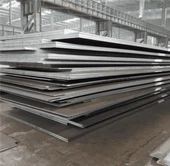
Fabricators and welders often face questions about preheating when working with Corten Steel-especially for medium-duty grades like Q310NH (yield >=310MPa). Many wonder if preheating is mandatory: Will skipping it cause cracks or weak welds? Does the steel's composition or thickness change the requirement? Is preheating a time-consuming, costly step? The core answer is clear:Q310NH Corten Steel does not require preheating for thin plates, but benefits from light preheating for thicker sections-ensuring strong, crack-free welds without unnecessary effort. Below is a concise, practical guide.

When Preheating Is (and Isn't) Needed for Q310NH
Preheating requirements for Q310NH depend primarily on plate thickness-here's a simple breakdown for common fabrication scenarios:
1. No Preheating Needed (Most Common Scenarios)
Thin Plates (<20mm): For the most common Q310NH thicknesses used in facades, garden structures, and light structural components, preheating is unnecessary. The steel's balanced ductility and low carbon content prevent cold cracking during welding.
: Works for all standard welding techniques (arc, MIG, TIG) when using Corten-compatible electrodes (e.g., E7018 for arc welding).
: Saves time and labor, streamlining fabrication for most projects.

2. Light Preheating Recommended (Thicker Plates)
Thick Plates (20–40mm): For thicker Q310NH sections (used in semi-structural components), a light preheat to 80–100℃ is recommended. This reduces the temperature gradient between the weld and base metal, preventing cold cracks.
: Even for 15–20mm plates, preheating to 60–80℃ is advised if welding outdoors in temperatures below 10℃-cold ambient temperatures increase crack risk.
How to Preheat Q310NH (Simple, Practical Steps)
Use a portable heating torch or induction heater-focus heat on the area 50–100mm around the weld joint (not just the weld itself).
Monitor temperature with a pyrometer (avoid guessing)-ensure the surface reaches the recommended 80–100℃ (do not exceed 150℃, as this weakens the steel's strength).
Weld immediately after preheating-do not let the steel cool below the target temperature before starting the weld.

Skip these errors to ensure weld quality and protect Q310NH's properties:
Over-preheating: Exceeding 150℃ can reduce Q310NH's yield strength and affect its corrosion resistance (patina formation).
Under-preheating: Skipping preheating for thick plates (>20mm) leads to cold cracks, weakening welds and requiring costly repairs.
Uneven heating: Focusing heat only on the weld spot causes uneven expansion, increasing stress and crack risk.
In short, Q310NH Corten Steel rarely requires preheating for thin plates, making it easy to weld for most projects. For thicker sections or cool environments, light preheating is simple and effective-ensuring strong, durable welds without extra cost or effort.